Was Emily Dickinson Gay? Exploring The Poet's Relationships And Sexuality
Was Emily Dickinson gay? This question has captivated scholars, readers, and LGBTQ+ communities for generations. The reclusive 19th-century American poet, who wrote nearly 1,800 poems during her lifetime, left behind a complex legacy that continues to spark debate about her romantic and emotional attachments. As we examine the evidence of her relationships and writings, we must consider the cultural context of her time and the limitations of historical interpretation. What can we truly know about Emily Dickinson's sexuality, and how does this question matter to our understanding of her work today?
Biography of Emily Dickinson
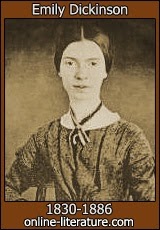
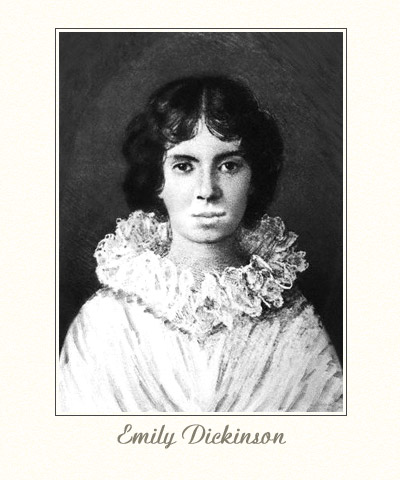
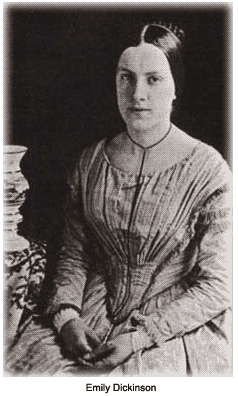
Emily Elizabeth Dickinson was born on December 10, 1830, in Amherst, Massachusetts, into a prominent family with strong ties to the community. She attended Amherst Academy for seven years and briefly attended Mount Holyoke Female Seminary before returning to her family's home. Throughout her life, Dickinson maintained a reclusive lifestyle, rarely leaving her family's property and communicating primarily through correspondence. Despite publishing only a handful of poems during her lifetime, she wrote nearly 1,800 poems, many of which explored themes of death, immortality, nature, and love. Dickinson died on May 15, 1886, at the age of 55, from what is now believed to have been heart failure caused by severe hypertension.
| Personal Details | Bio Data |
|---|---|
| Full Name | Emily Elizabeth Dickinson |
| Date of Birth | December 10, 1830 |
| Place of Birth | Amherst, Massachusetts, USA |
| Date of Death | May 15, 1886 |
| Age at Death | 55 years |
| Nationality | American |
| Occupation | Poet |
| Education | Amherst Academy, Mount Holyoke Female Seminary |
| Known For | Poetry, reclusive lifestyle, innovative poetic style |
| Family | Edward Dickinson (father), Emily Norcross Dickinson (mother), Austin Dickinson (brother), Lavinia Dickinson (sister) |
Emily Dickinson's Relationship with Susan Gilbert
Emily Dickinson's relationship with her sister-in-law Susan Gilbert remains one of the most significant and debated aspects of her personal life. The two women met in the late 1840s when Susan was a young woman, and they quickly formed an intense emotional bond. Dickinson wrote hundreds of letters to Susan throughout their lives, many containing passionate declarations of love and devotion. In these letters, Dickinson used language that contemporary readers might interpret as romantic or erotic, addressing Susan as "Sue" or "Daisy" and signing letters with phrases like "Your own Emily" or "Emily with a hundred hearts."
- Rory Mcilroys Marriage Secret Leaked Is He Actually Married
- Pam Bondis Nightmare What Trump Secretly Posted On Truth Social Has Everyone Talking
- Charlize Therons Shocking Secret Forcing Sons To Become Daughters Exposed
The depth of their connection is evident in Dickinson's letters, where she expresses profound emotional dependence on Susan. She wrote, "If you were coming in the Fall, I'd brush the Summer by / With half a smile, and half a spurn, / As Housewives do, a Fly," capturing the intensity of her longing. Susan was also Dickinson's most trusted reader and critic, providing feedback on her poems when the poet was still developing her craft. The question of whether their relationship was platonic or romantic remains central to discussions about Dickinson's sexuality, as the language they used was deeply intimate by any standard.
The Mystery of Emily Dickinson's Sexuality
The mystery surrounding Emily Dickinson's sexuality stems from several factors, including the limited historical evidence, the coded nature of her writings, and the cultural constraints of 19th-century New England. During Dickinson's lifetime, women often expressed affection for one another using what we might now consider romantic or erotic language, making it difficult to distinguish between deep friendship and sexual attraction. Additionally, Dickinson destroyed many of her letters and left instructions for her sister Lavinia to burn her correspondence after her death, limiting the available evidence.
Scholars have debated whether Dickinson's relationships with women, particularly Susan Gilbert, constituted lesbian relationships or whether they represented the intense but platonic bonds common among educated women of her era. The poet's reclusive lifestyle and her focus on her writing rather than marriage further complicate our understanding. Some argue that her withdrawal from society was a choice to protect her independence and creative work, while others suggest it may have been related to her sexual orientation in a time when same-sex relationships were taboo. The mystery persists because we cannot definitively categorize relationships that existed outside our contemporary frameworks of sexuality.
- Bobbys Secret Sex Tape In 911 Causes His Demise Leaked Video Confirms All
- Boyfriends Sex Scandal Leaked Tapes Implicate Megan Thee Stallions Bf
- Shocking Nude Leak Garbage Band Lead Singer Exposed In Scandal
Emily Dickinson's Letters to Susan Gilbert
Emily Dickinson's letters to Susan Gilbert reveal a relationship of extraordinary emotional intensity and creative collaboration. These letters, which number in the hundreds, span several decades and demonstrate a deep, evolving connection between the two women. In many letters, Dickinson expresses jealousy, longing, and devotion in terms that would be considered romantic by modern standards. She writes, "If you were here - and I was Neil Diamond - I might have a chance to tell you how much I love you," using humor and wordplay to express her feelings.
The letters also reveal Susan's role as Dickinson's primary reader and confidante. Susan was the first person to read many of Dickinson's poems, and the poet often wrote with her sister-in-law in mind. This creative partnership extended beyond mere feedback, as Dickinson's letters suggest a shared intellectual and emotional world. The question of whether these letters indicate a sexual relationship or a profound but platonic friendship remains central to discussions of Dickinson's sexuality. Regardless of the physical nature of their relationship, the emotional intensity and creative significance of their connection are undeniable.
Emily Dickinson's Relationship with Judge Otis Phillips Lord
Later in life, Emily Dickinson developed a close relationship with Judge Otis Phillips Lord, a widower and friend of her father's. This relationship, which began in the 1870s, has been interpreted by some scholars as evidence that Dickinson was not exclusively attracted to women. Lord's letters to Dickinson suggest a mutual affection, though the physical nature of their relationship remains unclear. Some biographers argue that this relationship represents a late-life romantic attachment, while others suggest it may have been a friendship that provided Dickinson with male companionship without the demands of marriage.
The relationship with Lord complicates simplistic narratives about Dickinson's sexuality. It suggests that her emotional and romantic life was complex and may have evolved over time. However, the intensity of her earlier relationship with Susan Gilbert and the passionate language she used in those letters continue to fuel debate about her primary sexual orientation. The question of whether Dickinson was bisexual, lesbian, or simply a woman who formed deep emotional bonds outside conventional marriage remains open to interpretation.
Was Emily Dickinson Lesbian? Historical Context
To understand whether Emily Dickinson was lesbian, we must consider the historical context of 19th-century New England. During this period, women often formed intense emotional bonds with other women, sometimes called "romantic friendships." These relationships involved passionate expressions of affection and devotion but existed within a framework that didn't necessarily recognize sexual attraction between women as we understand it today. The language of romantic friendship allowed women to express deep emotional connections without challenging the social order.
Additionally, the concept of sexual orientation as we understand it today didn't exist in Dickinson's time. The categories of "heterosexual" and "homosexual" were not part of the cultural lexicon, making it anachronistic to apply modern labels to historical figures. Dickinson lived in a society where women's roles were largely defined by marriage and motherhood, yet she chose a different path. Her reclusiveness, her focus on her writing, and her relationships with women like Susan Gilbert can be seen as forms of resistance to conventional expectations. Whether this resistance was motivated by sexual orientation, personal temperament, or both remains a matter of interpretation.
The Impact of Emily Dickinson's Relationships on Her Poetry
Emily Dickinson's relationships, particularly with Susan Gilbert, had a profound impact on her poetry. Many of her poems explore themes of love, loss, separation, and longing that scholars have connected to her personal experiences. Poems like "I cannot live with You" and "Wild Nights - Wild Nights!" contain imagery and language that suggest intense emotional and possibly erotic experiences. The question of whether these poems were inspired by her relationship with Susan, or by other experiences, remains central to literary analysis.
The structure of Dickinson's poetry, with its unconventional punctuation, capitalization, and rhyme schemes, has been interpreted as a form of coded expression that allowed her to explore taboo subjects. Some scholars argue that her innovative style provided a way to express same-sex desire in a society that didn't acknowledge such feelings. Whether or not Dickinson was consciously encoding her sexuality in her poetry, her work continues to resonate with LGBTQ+ readers who find in her words a reflection of their own experiences of love and desire outside conventional boundaries.
Emily Dickinson's Legacy and LGBTQ+ Interpretation
Emily Dickinson's legacy has been embraced by LGBTQ+ communities who see in her life and work a reflection of their own experiences. The passionate language of her letters to Susan Gilbert, the themes of her poetry, and her unconventional lifestyle have made her an icon for those who exist outside heteronormative expectations. Contemporary interpretations of Dickinson often emphasize her potential queerness as a way of reclaiming historical figures who may have been forced to hide their true selves.
However, this interpretation is not without controversy. Some scholars argue that we cannot retroactively impose modern categories of sexuality on historical figures, while others contend that recognizing the possibility of Dickinson's same-sex attractions is a valid way to understand her life and work. The debate reflects broader questions about how we interpret the lives of historical figures and what we can truly know about their inner experiences. Regardless of where one stands on this debate, Dickinson's work continues to speak to readers across the spectrum of sexual orientation, offering a vision of love and desire that transcends conventional boundaries.
Conclusion
The question "Was Emily Dickinson gay?" cannot be answered with absolute certainty, but the evidence suggests a complex emotional and possibly erotic life that challenges simple categorization. Her passionate relationship with Susan Gilbert, the intensity of her letters, the themes of her poetry, and her unconventional lifestyle all point to a woman who experienced love and desire in ways that may have been outside the heterosexual norm. Whether we label Dickinson as lesbian, bisexual, or simply as a woman who formed deep emotional bonds with other women, her life and work continue to inspire readers who recognize in her words a reflection of their own experiences.
What matters most is not whether we can definitively categorize Dickinson's sexuality, but how her work speaks to readers across time and identity. Her poetry explores universal themes of love, loss, longing, and the human condition that transcend sexual orientation. By engaging with questions about her personal life, we deepen our understanding of her work and recognize the complexity of human experience in all its forms. Emily Dickinson remains one of America's most beloved poets not because of how we categorize her sexuality, but because her words continue to touch the hearts of readers who find in them a profound expression of what it means to be human.